A police report after a Frisco car crash is important, but it is not the whole story. It is usually just one snapshot from a busy officer who arrived after everything already happened. If you are hurting, worried about bills, or stressed about getting back to normal, it helps to know that your claim can be much bigger than what is written in a few short lines on that form.
Here, we walk through why the report is only a starting point, what it often misses, and how a car crash lawyer in Frisco can help build the real story of what you went through. Late summer in the Dallas, Fort Worth area brings more teen drivers, school traffic, and end-of-break road trips, which can make crashes more confusing and claims harder. Knowing what matters beyond the report can protect your health and your rights.
Why the Police Report Is Only Your Starting Point
After a crash, people are often told, "Wait for the police report, that will explain everything." That sounds comforting, but it is not how claims usually work. The report is one piece of evidence, not the final word on fault or injuries.
Relying only on the report can cost injured drivers and passengers money they should have for things like:
- Ongoing medical treatment
- Time missed from work
- Pain that keeps getting worse
- Changes in daily life and family duties
Officers are busy, especially in late summer when there are more cars around schools, later evenings on the road, and more teen drivers out. They may not see all the damage, may not write down every complaint of pain, and do not follow you home to see how you feel later that night. A car crash lawyer in Frisco can step in and build a fuller picture that goes far beyond what the officer had time to write at the scene.
What Police Reports Get Right and Where They Fall Short
A Texas crash report usually does a decent job with the basics. It often includes:
- Date, time, and location of the crash
- Names of drivers and insurance information
- Vehicle descriptions and visible damage
- Road and weather conditions
- Any tickets or citations the officer gave
That is all helpful, but it leaves a lot out. Officers:
- Arrive after the crash, so they did not see the impact
- Depend on quick roadside stories from shaken drivers
- May not fully understand how the collision unfolded
- Often mark injuries as "possible" or "none" if they do not see obvious signs
Bias and time pressure can creep in. If one driver is calm and talkative and the other is in pain and quiet, the calm one may seem more believable. In heavy back-to-school traffic, the officer may rush to clear the road and move on to the next call. Important details, like a driver on a phone or a car speeding through a yellow light, might not make it into the report at all. Insurers often grab onto those gaps and twist them to argue against you.
Key Evidence That Strengthens Your Claim Beyond the Report
A strong claim needs more than a checked box or short summary on a form. An attorney can help gather extra proof that tells a clearer story, such as:
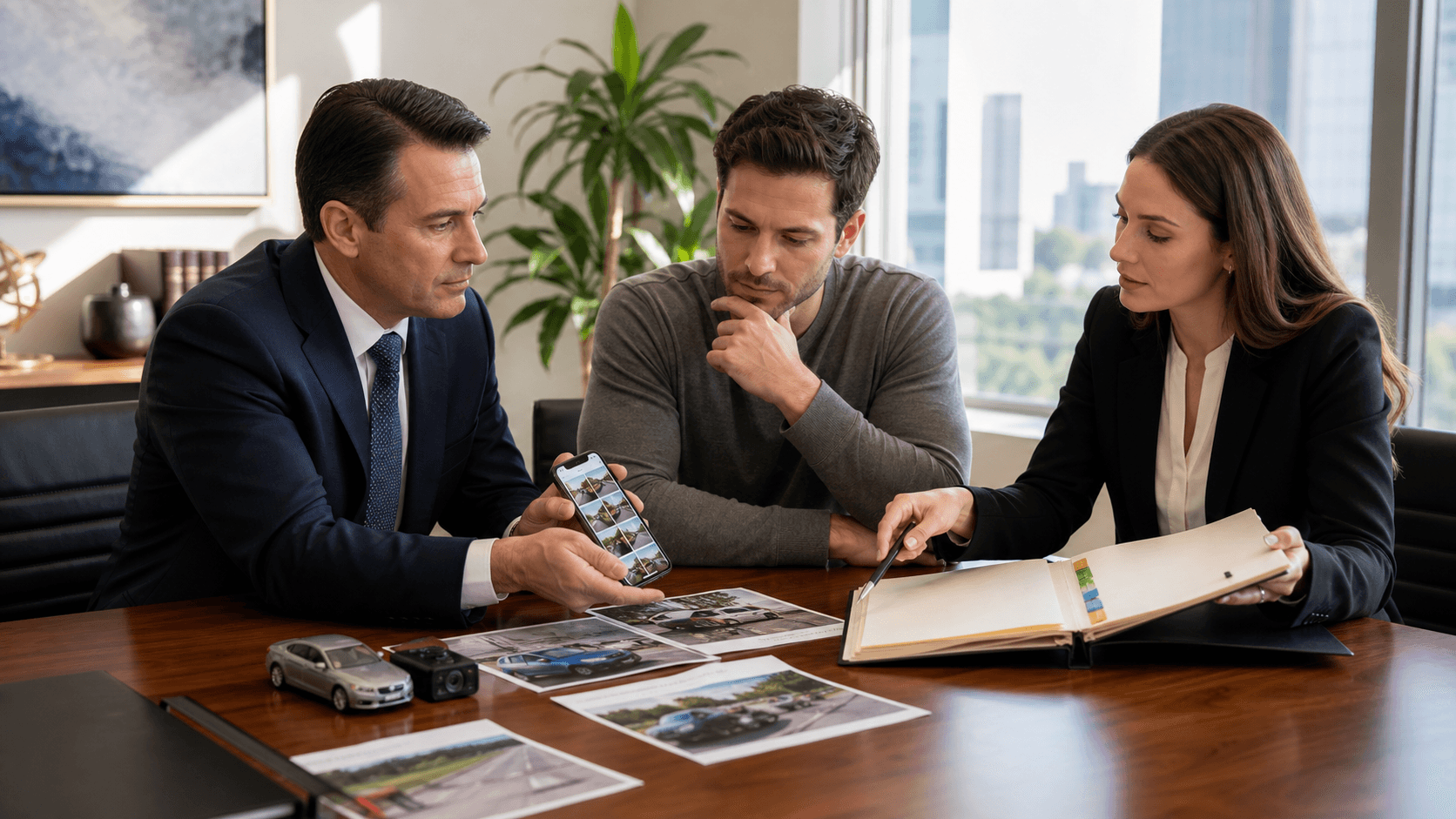
- Photos and videos of the scene, vehicles, and injuries
- Nearby business or doorbell camera footage that caught the crash
- Data from the vehicle "black box" that records speed and braking
- 911 recordings that show how shaken and hurt people were right away
Medical records over time are especially powerful. ER or urgent care notes are just the start. What matters is how your treatment unfolds:
- Primary care and specialist visits
- MRI or other scan results
- Physical therapy or chiropractic notes
- Pain journals and activity limits
These records link the crash to your ongoing pain and limits. They can show that what looked "minor" in the report was actually the start of a serious injury.
Witness statements, cell phone records, and accident reconstruction experts can also help correct a report that leans against you. Maybe the officer missed a key witness who later steps forward, or an expert review shows that the point of impact proves the other driver was speeding.
A car crash lawyer in Frisco also knows local roads and patterns. Busy corridors, tricky left turns, and school zones have their own risks. That local insight helps explain why the crash happened the way it did and backs up your version of events.
How Insurance Adjusters Use Police Reports Against You
Insurance companies love police reports, especially when the wording helps them. They tend to treat the report as their playbook, even if it is short or missing pieces.
Common tactics include:
- Cherry-picking a few lines that favor their driver
- Pointing to small differences in statements as "proof" you are not reliable
- Leaning on "no injury noted" to downplay your pain
- Ignoring delayed-onset injuries like whiplash, concussions, or back pain
When the report does not look good for you, recorded calls and quick settlement offers become even more risky. Adjusters may call while you are still sore, tired, and overwhelmed. They may sound friendly but ask questions meant to box you into a story that fits the report, not your real experience.
Late summer and early fall claims often involve distracted driving, school-zone confusion, and teen drivers. Insurers may try to blame you for things like "not being careful enough" or "not paying attention," even when the facts tell a different story. Having an attorney handle those talks can keep you from saying something that gets twisted later.
Ways a Frisco Car Crash Lawyer Builds the Full Story
A strong claim is built, not guessed. A local lawyer does not stop at the police report. We often:
- Visit the crash scene
- Study traffic flow, road design, and signage
- Look for cameras, skid marks, and line-of-sight issues
We also work closely with your medical providers to keep track of treatment and how the crash changed your daily life. That includes:
- Medical bills and records
- Proof of lost wages or missed work opportunities
- Limits on hobbies, family duties, and simple tasks
- Future care needs if you are not healing quickly
If the report has mistakes or missing pieces, we can challenge it through added evidence and expert opinions. Accident reconstruction professionals can show how the crash really happened. With a fuller record in hand, we can negotiate with insurers from a position of strength instead of letting one rushed document control the outcome.
Throughout this process, we focus on keeping clients informed, answering questions plainly, and helping avoid common missteps that hurt claims.
Steps to Protect Your Rights After a Frisco Crash
Right after a crash, it is hard to think clearly, but a few simple steps can help protect your claim:
- Get medical care right away, even for "small" pain
- Keep a notebook or phone log of symptoms as they change
- Save photos and videos from the scene and of your injuries
- Collect names and contact information for witnesses
- Request a copy of the police report as soon as you can
It is also smart to:
- Stay off social media about the crash or your injuries
- Be careful what you say to any insurance adjuster
- Avoid signing medical releases or settlement papers without legal guidance
As school and work routines pick back up, follow-up visits and claim deadlines can be easy to overlook. Early legal guidance helps preserve video footage and other evidence that can disappear quickly and sets the foundation for a stronger, fact-based claim.
Turn a One-Page Report Into Your Full Story
A police report is a starting line, not the finish line. It is one person's quick take, written on a busy roadside, and it often leaves out pain, fear, and long-term impact.
Even if your report looks incomplete or seems to lean against you, that does not mean your case is lost. With careful investigation, added evidence, and steady support, a skilled legal team like Feizy Law Office can help turn that short report into a fuller story of what you went through and what you need to move forward after a crash in Frisco or the greater Dallas, Fort Worth area.
Protect Your Rights And Start Your Recovery Today
If you were hurt in a wreck, our team at Feizy Law Office is ready to review your situation and guide you through your legal options. Speak with an experienced car crash lawyer in Frisco so we can help you pursue the compensation you need for medical bills, lost income, and pain and suffering. Reach out today through our contact page to schedule a free, no-obligation consultation.