Holding All Dangerous Drivers Accountable After a Drunk Driving Crash
Drunk driving crashes in Frisco and across North Texas often spike around big weekends, football games, and community events. Late nights, crowded bars, and long lines at popular spots can lead to people having far too much to drink before they ever get behind the wheel. When that happens, innocent drivers and families pay the price.
The drunk driver who caused the wreck is always responsible for the choice to drive. But Texas law also recognizes that some businesses and private hosts play a part when they keep serving someone who is clearly drunk. Dram shop and social host laws give injured people extra tools to hold everyone who contributed to the danger accountable.
We want to walk through when those laws apply, what evidence can prove overserving, and how a drunk driving collision lawyer can protect your rights if you or a loved one has been hurt.
When Bars and Restaurants Can Be Sued Under Texas Dram Shop Law
Texas has a law called the Dram Shop Act. It allows injured people to bring a civil claim against a bar, restaurant, club, or similar business when the business serves alcohol to a person who is obviously intoxicated, that person poses a clear danger to themselves or others, and the overserving is a cause of the crash and injuries.
This usually means the staff kept serving even though the customer was showing clear signs like slurred speech, trouble standing, glassy eyes, or loud, out-of-control behavior. The law focuses on the business, not the individual server, in most situations.
Businesses that can face dram shop claims include:
- Bars and lounges
- Restaurants and sports bars
- Nightclubs and concert venues
- Event spaces and some catering companies
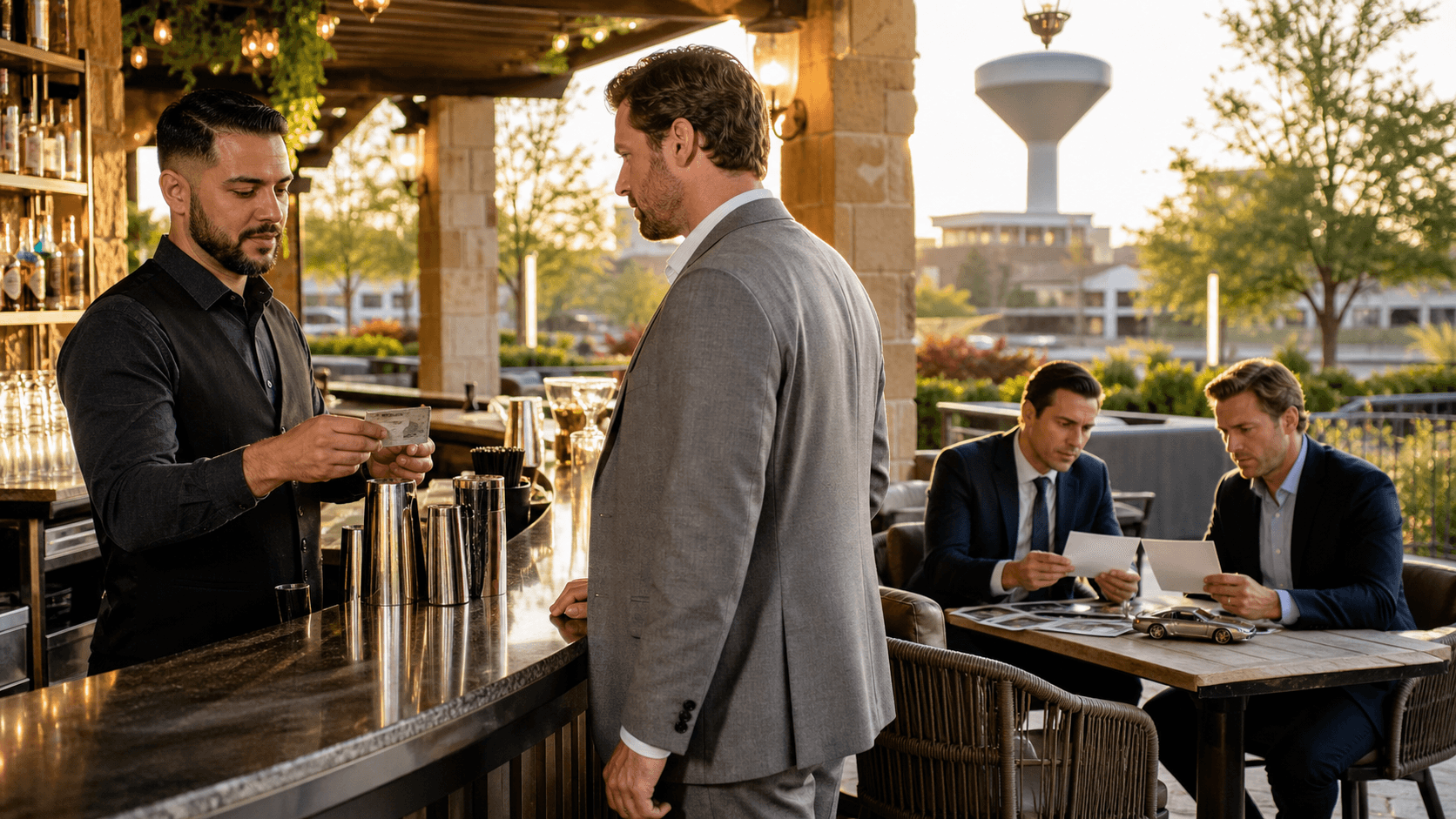
In early fall, common scenarios include happy hours after work, football watch parties, and long weekend celebrations where staff rush to keep up with crowds and ignore warning signs. A bartender might keep refilling drinks without checking how the customer is acting. A server might drop off shots at a table even though people are obviously already drunk.
Time is a big factor. In Texas, there is generally a two-year deadline to bring an injury claim, but the practical deadline can be much shorter because surveillance video can be recorded over quickly, paper receipts can be thrown out, point-of-sale data can be changed or lost, and employees can quit while memories fade.
A drunk driving collision lawyer can move quickly to send legal notices to the bar or restaurant, demanding that they preserve video, receipts, and other records before they disappear.
Texas Social Host Liability and When It Applies
Social host liability is different because it focuses on private individuals instead of businesses. These are situations where someone serves alcohol at:
- A house party
- A backyard cookout
- A lake or pool gathering
- A private event at a home or rented space
In Texas, social hosts are generally not civilly responsible for serving alcohol to intoxicated adults. However, the rules are different for minors. A social host can face civil liability for serving, or allowing the service of, alcohol to someone under 18 in certain situations.
These cases can be especially important when a serious or fatal crash involves parents who allow underage drinking at a homecoming or graduation party, adults who buy alcohol for teens at a lake or holiday gathering, or older siblings or friends who host underage guests and let them drink.
A drunk driving collision lawyer will look at whether a social host claim might work alongside a claim against the drunk driver and, if needed, a dram shop claim against any business that served alcohol earlier in the night. That means carefully reviewing where the minor got the alcohol, who knew they were under 18, and whether the host knew they were drinking or driving.
By bringing all possible claims, injured people and families have a better chance to pursue full compensation.
The Evidence That Proves Overserving and Social Host Fault
Dram shop and social host cases are evidence-heavy. It is not enough to say someone looked drunk. You need proof that shows what happened and who knew what and when.
For bars and restaurants, key evidence often includes:
- Credit card receipts and itemized tabs showing multiple rounds or strong drinks
- Time-stamped checks that show how fast the drinks were served
- Surveillance video from inside the bar and at entrances or exits
- Point-of-sale records identifying which server or bartender served which drinks
On-the-ground evidence is just as important, and it often fills in the gaps about how the driver appeared and what happened immediately before and after they left:
- Eyewitness accounts from friends, other patrons, or staff about how the person was acting
- Photos and videos from phones or social media showing drinking and behavior
- Security footage from parking lots, sidewalks, or nearby businesses
- Police reports and body camera footage capturing slurred speech or stumbling at the crash scene
For social host cases involving minors, helpful evidence can include:
- Text messages and group chats about the party or who would bring alcohol
- Social media posts, stories, or photos showing minors with drinks
- Testimony that the host saw minors drinking or knew their age
- Evidence that the host failed to collect car keys or stop a clearly drunk teen from leaving
This kind of evidence can disappear quickly. Videos get deleted, posts are taken down, and group chats are wiped. A drunk driving collision lawyer can send preservation letters, contact witnesses, and work to secure these materials before they are lost.
Building a Strong Civil Case After a Frisco Drunk Driving Wreck
When a dram shop or social host claim is available, it becomes part of the larger civil case against all responsible parties. The goal is to seek compensation for:
- Medical bills and future treatment
- Lost income and reduced ability to work
- Pain, emotional stress, and loss of quality of life
- Wrongful death damages for surviving family members
To do this, a lawyer will carefully reconstruct the night by tracking where the drunk driver went before the crash, reviewing cell phone location data or app records, looking at payment records to see when and where alcohol was bought, and matching time-stamps on receipts with video and witness accounts.
Bars and hosts rarely admit fault. Common defense strategies include:
- Blaming the drunk driver alone
- Claiming the driver did not look intoxicated
- Pointing to staff training programs or written policies
- Arguing that the crash would have happened anyway
These arguments can be challenged with medical records and blood alcohol test results, witness statements describing obvious signs of intoxication, video of the driver's behavior shortly before leaving, and expert opinions on how that blood alcohol level would affect a person.
Local knowledge also matters. A lawyer who knows Frisco and North Texas will be familiar with popular bars, game-day spots, and event venues, as well as intersections and roads where drunk driving crashes often happen and how nearby police departments handle crash investigations and body camera footage.
Putting all of this together helps build a strong, fact-based case that holds every responsible party accountable and supports the full amount of compensation allowed under Texas law.
Protect Your Rights And Start Your Recovery Today
If you were hurt in a crash caused by a drunk driver, our team at Feizy Law Office is ready to step in and handle the legal details so you can focus on healing. Speak with a dedicated drunk driving collision lawyer who can evaluate your case and outline your options. We will gather evidence, communicate with insurers, and pursue the compensation you deserve. To schedule a confidential consultation, please contact us today.