
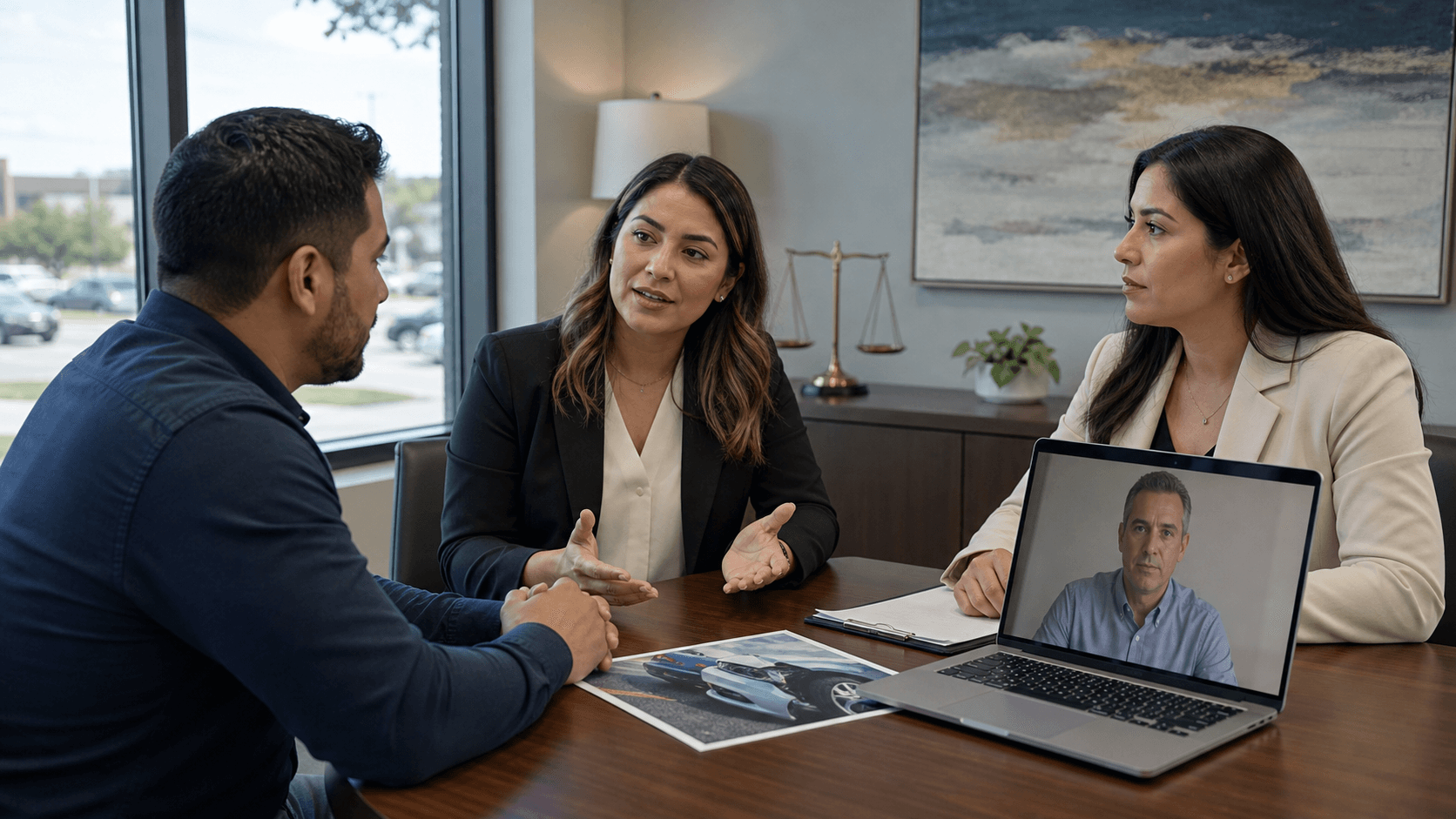
When you get hurt in a crash in Frisco, the law itself is only part of the story. Language and culture play a big role in how your case is built, how your pain is described, and how insurers see your claim. If there is a gap in language, even a strong case can seem weak on paper.
We see this often with immigrant families, including the growing Iranian community in Frisco and across the Dallas, Fort Worth area. A person may speak some English in daily life but struggle when talking about medical problems, legal terms, or money. This can lead to missing details, confusion, and unfair blame. In this article, we explain how language and cultural fluency can protect your rights from day one.
Why Language and Culture Matter in Frisco Injury Claims
Frisco has many families who speak Farsi at home and English at work or school. That mix can work fine until there is a car, truck, motorcycle, or pedestrian accident. After a crash, every word you say can end up in a police report, medical records, or an insurance file.
Common problems include:
- Medical instructions that are misunderstood or not followed
- Accident reports that leave out key details or mix up facts
- Insurance calls where the adjuster does most of the talking, and the injured person just agrees
Cultural habits can make this worse. Some people are raised not to complain, so they say they are "fine" when they are not. Others fear authority or conflict and may quickly accept blame, even when they did nothing wrong. An Iranian injury attorney who understands Farsi, English, and local habits can help tell your story clearly so the system does not twist your words.
Avoiding Costly Miscommunications After a Crash
The first minutes and hours after a crash are often the most stressful. There may be a 911 call, police at the scene, and questions coming fast. If English is not your first language, small mistakes can snowball into big problems.
Here are key moments where language issues show up:
- Talking to the 911 operator
- Answering police at the scene
- Giving a written or recorded statement later
- Explaining symptoms at the ER or clinic
- Going over what happened with you in your own language
- Preparing you before any recorded statement with the insurer
- Coaching you to use clear, simple, truthful answers
- Pointing out and correcting language-based errors in police or incident reports
When your words are clear and consistent from the start, it is harder for an adjuster to twist them later.
Translators, Interpreters, and Choosing the Right Help
Many families lean on children, cousins, or friends to translate. This comes from love, but it can hurt an injury case. A family member may skip parts they think are not important or change your words to "help." They may also feel pressure when the question is very personal, such as past health problems, pain levels, or money.
There is a big difference between informal "family translators" and trained interpreters. In legal or medical settings, you need:
- Accuracy, without adding or leaving out details
- Neutral language that does not push you to one answer
- Privacy and respect for sensitive information
- Someone who understands legal and medical terms in both languages
A Frisco or Dallas Iranian injury attorney may bring in certified interpreters for:
- Depositions and sworn statements
- Mediation with insurance companies
- Court hearings or trials
The attorney stays involved, makes sure questions and answers are clear, and checks that nothing is "lost in translation."
During fall and winter holidays, relatives often visit from out of town. It can feel natural to let them translate during doctor visits or insurance calls. But they may not know Texas law or American insurance habits. Relying only on well-meaning family in these key moments can weaken your claim without anyone realizing it.
Making Foreign-Language Medical Records Count
Medical records are the backbone of almost every personal injury claim. They show what happened to your body, what doctors saw, and how your life changed. If some of your care happened in Iran or another country, those records may be in Farsi or another language.
For those records to help your case, they should be:
- Gathered completely, not just one or two pages
- Translated by someone who knows medical terms
- Summarized in plain English for the adjuster or court
An Iranian injury attorney can work with bilingual staff and certified translators to request, translate, and organize:
- Clinic and hospital records
- MRI, CT, X-ray, and other imaging reports
- Past treatment records that show old injuries were stable before the crash
Culture also shapes how people talk about pain and mental health. In Farsi records, pain might be described in softer words out of respect or modesty. Mental stress after a crash may be described in family or spiritual terms instead of medical labels like PTSD. A culturally fluent lawyer can explain these nuances so insurers do not shrug off serious symptoms just because they are written differently.
Communicating with Insurers Who Do Not Speak Your Language
Insurance companies look at words on paper and short phone calls. If your explanation is unclear, they often assume your pain is less serious or your daily struggles are not that bad. This can lead to low settlement offers, even when you are still hurting and missing work.
A bilingual, culturally aware lawyer can:
- Take over all direct talks with the insurance company
- Help you explain symptoms and limits in simple, accurate language
- Prepare you before independent medical exams so you know what to expect
- Push back when adjusters twist language issues into excuses to pay less
As the year moves toward the holiday period, many insurers try to close files quickly. They may push fast offers right before major holidays, hoping people are too distracted or tired to ask questions. Having the right attorney in your corner makes it easier to slow things down, think clearly, and avoid rushed decisions that you may regret later.
How an Iranian Injury Attorney in Frisco Can Stand up for You
When language fluency, cultural understanding, and strong translators all work together, the legal process feels less scary and clearer. You know what is happening with your case. Your story matches across police reports, medical records, and insurance files. Your pain is described in a way that makes sense in both Farsi and English.
At Feizy Law Office, we help injured people and their families in Frisco and across Dallas, Fort Worth by:
- Offering free consultations in Farsi and English
- Reviewing foreign-language medical records and arranging careful translations
- Handling talks with insurance companies so clients can focus on medical care
For many in the Iranian community, it is a relief to speak with a lawyer who understands both the language and the culture behind the words. That mix can make the difference between feeling ignored and feeling heard when it matters most.
Protect Your Rights And Start Your Recovery Today
If you were injured and need culturally aware guidance, our team at Feizy Law Office is ready to listen and act quickly on your behalf. As an experienced Iranian injury attorney, we understand the legal challenges you are facing and the unique concerns of our community. We will review your situation, explain your options clearly, and build a strategy tailored to your case. To schedule a free consultation, simply contact us today.