
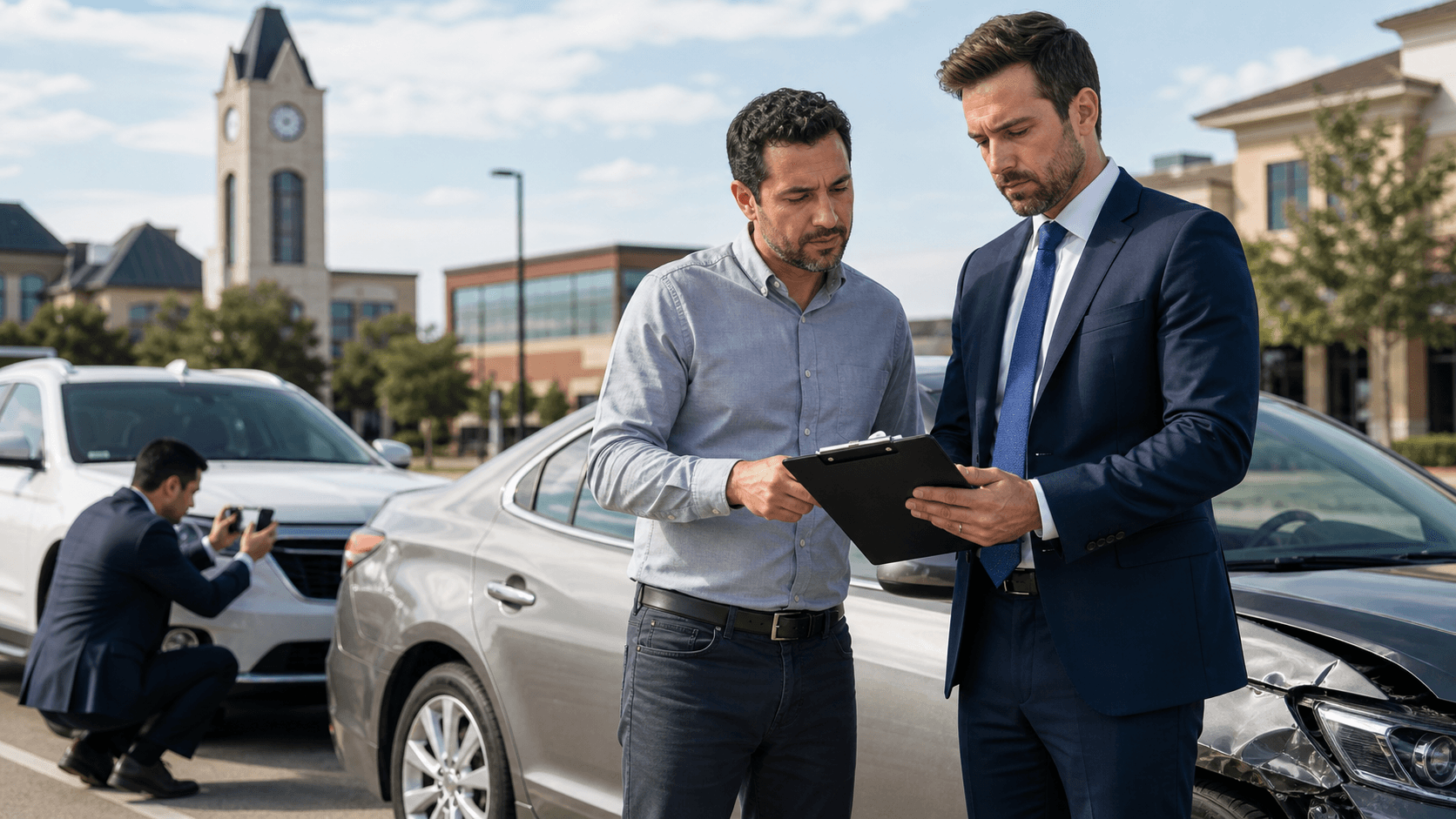
Rideshare Driver Vs. Company Coverage After A Frisco Crash
A rideshare crash can bring more insurance questions than a typical two-car collision. Although a driver may be using a personal vehicle, the coverage that may apply can change based on what was happening in the rideshare app at the time of the wreck.
Frisco traffic can make these cases even harder. Busy retail areas, highway congestion, earlier November sunsets, rain, and seasonal travel can put Uber and Lyft vehicles near more passengers, pedestrians, and other drivers. At Feizy Law Office, we help injured people understand how app status, insurance policies, fault evidence, and prompt action may affect a claim.
Why App Status Matters After a Rideshare Crash
One of the first things insurers may investigate is whether the rideshare driver was using the app. The driver's activity can help determine whether a personal auto policy, a rideshare company policy, or both may be involved.
Generally, there are several stages that may matter:
- The driver is offline and not using the rideshare app
- The driver is logged in and waiting for a ride request
- The driver has accepted a trip and is driving to pick up a rider
- The driver is transporting a passenger through the app
When the app is off, the case may look much like another Texas car accident claim. When the app is on, however, coverage questions can become more complicated. A driver who is waiting for a request may have different available coverage than a driver who has already accepted a ride.
Once a driver is on the way to a pickup or carrying a passenger, rideshare company insurance may provide higher liability coverage than what applies while the driver is merely available for rides. Still, insurance terms can vary based on the company, the driver's policy, the exact app status, and the facts of the collision. We may need to review trip records, app activity, driver statements, and insurance information before the full coverage picture is clear.
When the Driver's Personal Insurance May Apply First
If the rideshare app was turned off, the driver's personal auto insurance is often the first place to look for coverage. In that situation, the driver may be treated like any other person operating a personal vehicle on a Frisco roadway.
Things can get less clear when a driver was logged into the app but had not accepted a ride. Some personal policies may contain exclusions related to commercial driving or rideshare activity. That can lead to disagreements between the driver's insurance company and the rideshare company's insurer about who should handle the loss.
Regardless of which policy applies, driver conduct still matters. Evidence of negligence may include:
- Speeding or following too closely
- Looking at a phone instead of watching traffic
- Making an unsafe lane change
- Failing to yield at an intersection or crosswalk
- Driving while tired after a long shift
Texas comparative fault rules can also affect an injury claim. If an insurer claims that you shared responsibility for the crash, it may argue that your available recovery should be reduced. We work to examine the full chain of events rather than accepting an insurer's first version of what happened.
How Company Coverage May Expand Your Options
Company coverage can become especially important when someone's injuries are more serious than the limits of the driver's personal insurance. A policy connected to an active rideshare trip may offer greater protection than the coverage available while a driver is simply waiting for a request.
Access to a rideshare policy does not mean an insurer will automatically accept every claimed loss. Adjusters may closely review trip timestamps, app records, pickup and drop-off details, route information, crash reports, passenger records, and statements from the people involved. A small disagreement about whether the driver had accepted a trip can have a major effect on the insurance analysis.
Depending on the facts, an injury claim may involve losses such as emergency care, follow-up treatment, missed income, reduced ability to earn a living, vehicle repairs, and pain and suffering. Wrongful death damages may also be available in qualifying cases. A rideshare accident personal injury lawyer can review all potential coverage sources, including uninsured or underinsured motorist coverage that may be available through the injured person's own policy.
Evidence That Can Support Your Frisco Claim
Evidence can disappear quickly after a rideshare collision. App data may not stay available forever, surveillance footage can be overwritten, and memories can fade. That is why we encourage injured people to preserve information as soon as they are able.
Useful records may include:
- Photos of the vehicles, road conditions, and visible injuries
- Names and contact information for witnesses
- A police report and insurance communications
- Rideshare receipts and screenshots showing trip details
- Medical records, bills, missed-work notes, and symptom updates
Trip data can help show whether the driver was offline, waiting for a request, headed to a pickup, or carrying a passenger. Vehicle information, dashcam footage, traffic camera recordings, and nearby business surveillance may also help explain how the crash occurred.
November conditions can add another layer to the evidence. Earlier darkness, wet pavement, glare from headlights, heavier traffic, and reduced visibility may all be relevant to fault. Prompt medical care can also create a clearer record of injuries and symptoms. Before giving a recorded statement to an insurance company, it is wise to understand what information is being requested and how it may be used.
Take Steps to Protect the Facts
A rideshare crash is not always just a claim against one driver. The app status, insurance policy language, available evidence, and actions of every person involved can shape what coverage may apply. At Feizy Law Office, we can review the facts of a Frisco collision, request records that may help clarify coverage, and explain the legal options available to injured clients and grieving families throughout North Texas.
Taking action early can help preserve the details that matter most. Keep records, follow through with medical care, save rideshare information, and avoid rushing into a settlement before the full impact of the crash and all possible insurance sources are understood.
Get Clear Guidance on Your Rideshare Claim
At Feizy Law Office, we can assess the available insurance coverage and explain what may apply to your situation. Speak with a rideshare accident personal injury lawyer who can help you pursue a claim with confidence. Contact us to discuss your Frisco crash and your options.