What to Do After a Frisco Crash with an Uninsured Driver
A crash with an uninsured driver can turn a bad day into a nightmare. You are hurt, your car is damaged, and the person who caused it has no valid insurance card to show. It is easy to feel stuck and unsure what to do next.
Around back to school, Friday night games, and fall events in the Frisco and Dallas area, roads stay busy and distractions go up. That means a higher risk of wrecks, including crashes with drivers who have no insurance or too little. We want to walk through clear steps you can follow at the scene and in the first 72 hours so you can protect your health, your rights, and your future claim.
Critical Steps at the Scene of an Uninsured Driver Crash
Your first job is safety. Everything else comes after that.
If you are in a crash with an uninsured driver, try to:
- Move your vehicle out of traffic if you can do so safely
- Turn on hazard lights and set out cones or flares if you have them
- Check yourself and your passengers for injuries
- Call 911 right away
Sometimes the other driver will beg you not to call the police because they do not have insurance. They might promise to "pay you back later" or say they will get in big trouble. You still need to ask for an officer to respond. In Frisco and across North Texas, getting law enforcement on scene can make a big difference for your claim later.
When there is no valid insurance card to photograph, collect as much information as you can:
- Driver's full name, phone number, and address
- Driver's license number and the state it is from
- License plate number and the state
- Make, model, color, and year of the other car, if you can see it
- Photos of any expired or mismatched insurance card they show you
If the other driver admits they do not have insurance, write down their exact words in your notes or record a short voice memo on your phone. Also, focus on evidence around you:
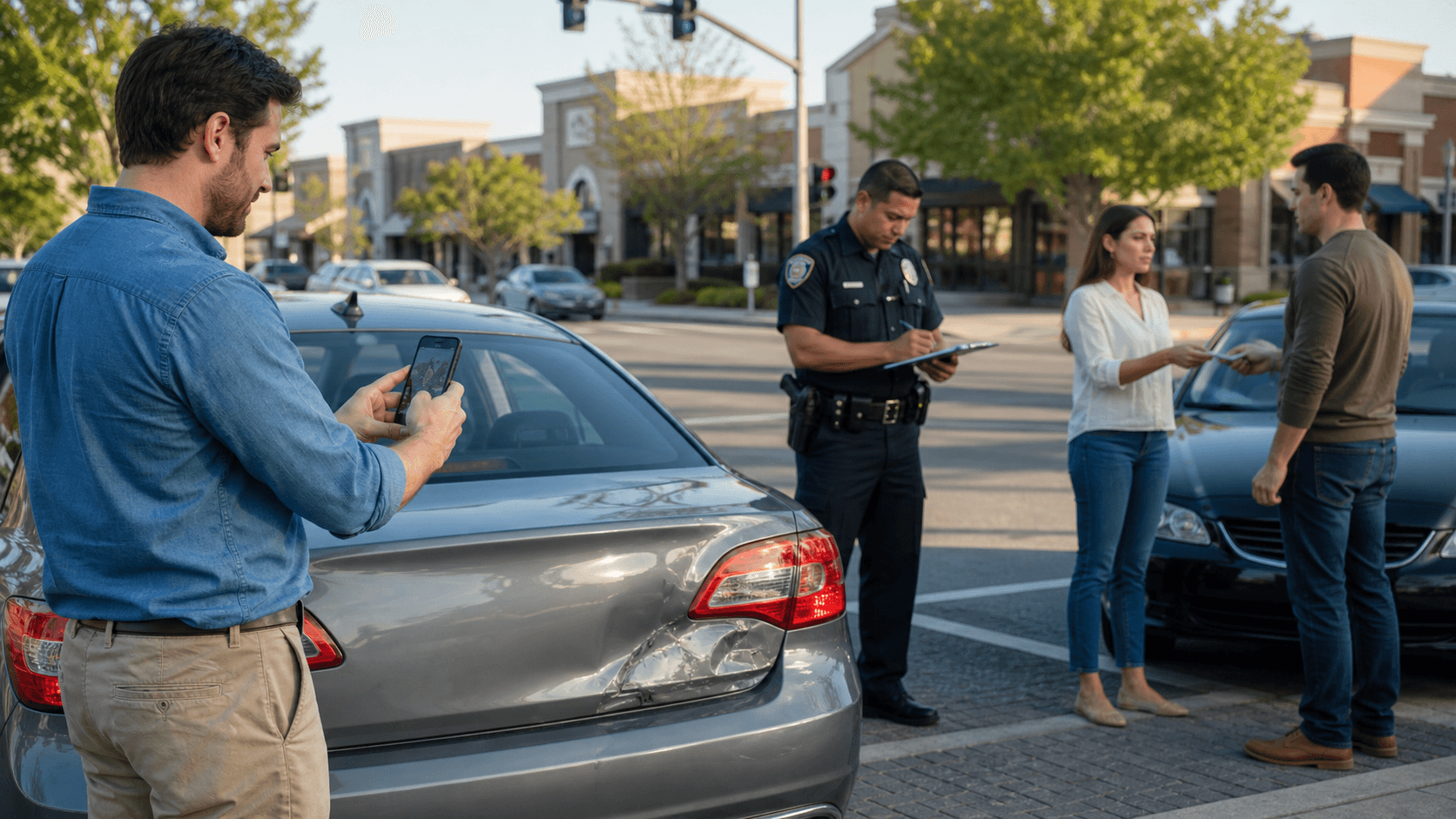
- Take photos of all vehicles from several angles
- Capture skid marks, broken glass, and any road debris
- Photograph traffic lights, stop signs, and lane markings
- Take pictures of your visible injuries, like bruises or cuts
Before you leave, ask any witnesses for their names and phone numbers. Then, while events are fresh in your mind, use your phone to record a quick voice note explaining how the crash happened. This can help you remember details later.
Why the Police Report Matters When the Other Driver Is Uninsured
Some people think they can just swap information and leave, especially if damage looks minor. When the other driver is uninsured, that is risky. A formal crash report can be a key piece of your claim.
A Frisco or other North Texas officer's report usually includes:
- Basic information about both drivers
- Diagram of the crash scene
- Road and weather conditions
- Any citations or tickets given
- Notes on insurance status
When you talk with the officer, keep it simple and honest. Share what you saw, heard, and did. Avoid guessing speeds or distances. Do not say "I'm sorry" or "It was my fault," even if you feel shaken or confused. Just focus on clear facts, like which lane you were in and what the light showed.
Be sure to mention if you noticed:
- The other driver looking at a phone
- Smell of alcohol or odd behavior
- The driver trying to leave or refusing to show insurance
After the crash, you or your attorney can request the Texas Peace Officer's Crash Report. Insurers often rely on this document to help set up uninsured motorist claims. Try not to wait weeks to get a copy. The sooner you have it, the sooner your team can review what the officer recorded and compare it with your own notes and photos.
Medical Care in the First 72 Hours Protects Health and Claims
Many people feel "ok" right after a crash, then wake up the next day stiff and sore. Adrenaline hides pain. Some injuries, like concussions, soft tissue damage, or internal issues, do not fully show up right away.
Getting checked out the same day helps in two big ways:
- Protects your health, so small problems do not turn into big ones
- Creates a medical record that links your injuries to the crash
That first visit could be an ER, urgent care, or same day clinic, depending on how you feel and what is open. Tell the provider you were in a car crash with an uninsured driver and explain every symptom, even if it seems silly or small.
Over the next days and weeks, follow through with:
- Follow-up visits with your primary doctor or specialist
- Referrals for imaging, physical therapy, or chiropractic care
- A simple written log of your daily pain, sleep problems, or missed activities
Try to avoid "gaps" in medical care. Skipping visits, stopping therapy early, or relying only on over the counter medicine without telling a doctor can hurt both your health and your claim. Also be careful with social media. A photo of you smiling at a family event can be used to suggest you are fine, even if you were in pain the whole time.
Notifying Insurers and Protecting Your Rights After the Crash
Once the dust settles and you are safe, the next key step is calling your own auto insurer. Many Texas policies include uninsured and underinsured motorist coverage. These parts of your policy can help pay for:
- Medical bills
- Lost wages
- Pain and suffering or loss of normal life
You usually must report the crash quickly, so do not wait too long. When you call, stick to basic facts, such as:
- When and where the crash happened
- That the other driver appeared to have no valid insurance
- That you are getting medical care
Be careful about giving a recorded statement or guessing about fault or long term injuries before you have legal guidance. Also be cautious about early settlement offers or checks. If you sign a release too soon, you might give up your right to future payment, even if new health problems appear later.
An uninsured motorist accident law firm can help with things like:
- Reviewing your auto policy for all possible coverages
- Collecting and organizing evidence from the scene
- Communicating with insurance adjusters for you
- Tracking medical records and lost income information
If you have serious injuries, mixed stories about who is at fault, or pushy calls from adjusters, getting legal support can make the process feel a lot less overwhelming.
Take Control After an Uninsured Crash with Local Legal Help
The first 72 hours after a crash with an uninsured driver can shape your whole claim. The most important steps are simple but time sensitive: call 911, stay safe, document the scene, make sure a police report is created, see a doctor right away, and notify your insurer without saying anything that could hurt your case.
Having a local Frisco and Dallas area attorney can help you feel less alone in all of this. A firm that handles uninsured motorist crashes regularly will know Texas insurance rules, local courts, and how area insurers tend to respond. At Feizy Law Office, we focus on handling the details, evidence, and talks with insurers so you can focus on healing and getting life back on track.
Protect Your Rights After an Uninsured Driver Crash
If you were hit by an uninsured or underinsured driver, our team at Feizy Law Office is ready to help you pursue the compensation you deserve. As an experienced uninsured motorist accident law firm, we know how to deal with complex insurance policies and aggressive adjusters. Reach out today through our contact page so we can review your situation and explain your options in a free, no obligation consultation.