What to Do After a Hit-and-Run in Frisco
A hit and run is a crash where a driver hits you and then leaves without sharing their information or helping. It can happen in a parking lot, at a busy Frisco intersection, or on the tollway when traffic is heavy. It happens often in growing, high-traffic areas, especially during spring and early summer when more people are on the road for games, graduations, and weekend trips.
Those first few minutes after the impact matter for your safety and for any claim you may bring later. What you say, what you do, and what you record can affect who ends up paying for your medical bills and car repairs. In some cases, your own insurance may pay. In others, if the driver is found, their insurer or another party may be responsible. A hit-and-run lawyer in Frisco, TX, can help sort out these options and guide you through each step.
Immediate Steps to Protect Your Health and Your Claim
After a hit-and-run, your body might be in shock. You might feel shaky, confused, or even strangely calm. Try to slow things down and focus on safety first.
Key safety steps include:
- Move your car to a safe spot if you can do so without risk
- Turn on your hazard lights so others see you
- Call 911 and report that the other driver left the scene
- Get medical help, even if you think you are "okay"
Telling first responders that the other driver fled is important. It can affect how the police handle the scene and what they write in their report. It also creates a record for your insurance claim.
Next, try to preserve as much evidence as you can, as long as you are safe:
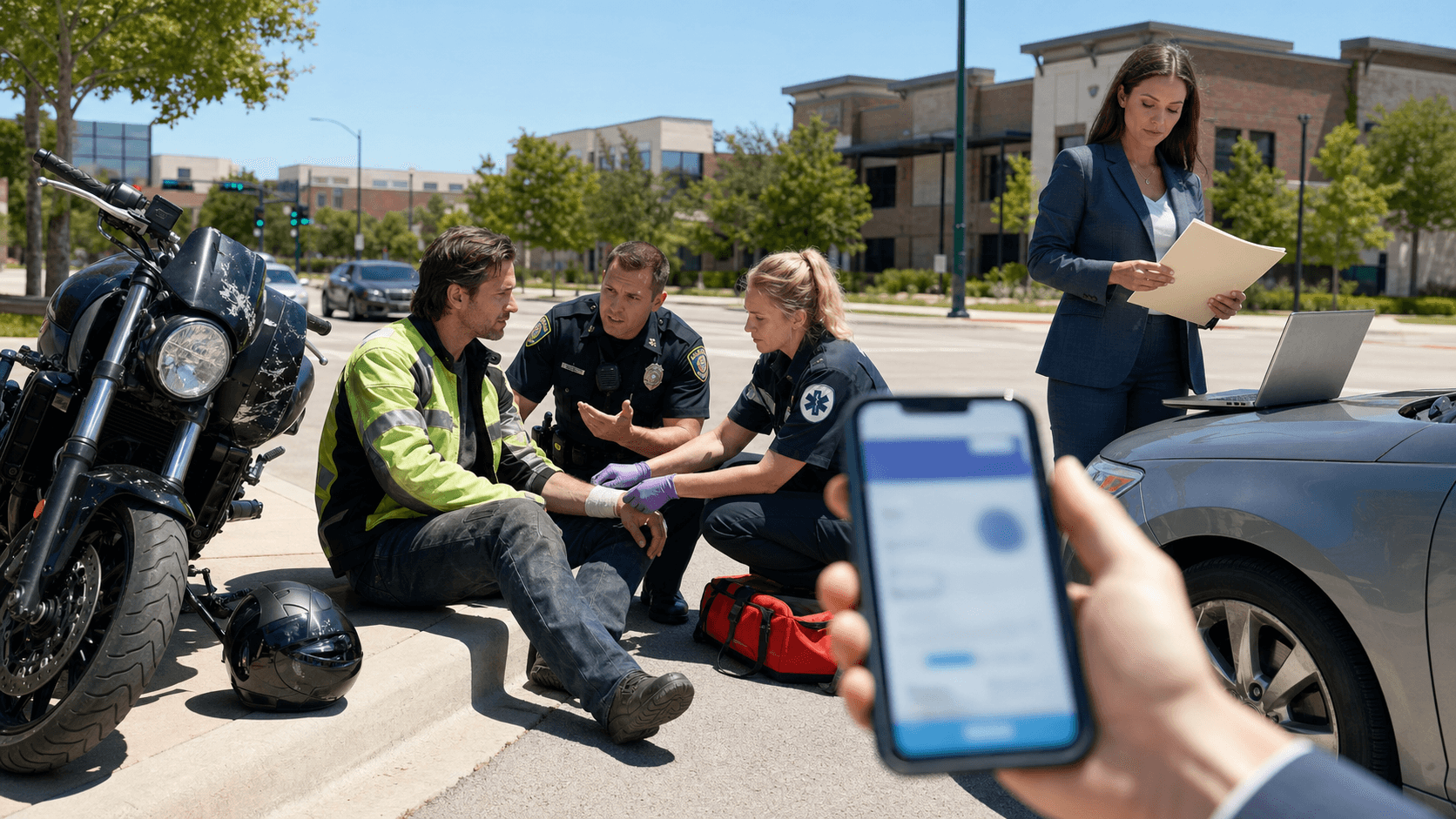
- Take photos and video of your car, any other damaged property, and your injuries
- Capture skid marks, broken glass, car parts, and the surrounding area
- Note weather and road conditions and traffic signals or signs nearby
- If you saw any part of the license plate or remember a color or model, write it down
Look around for possible cameras. Many drivers now use dash cams. Nearby homes, apartments, or businesses might have security cameras that caught the crash or the fleeing car. Make a note of any building or house that might have a camera facing the road.
Also try to collect information:
- Ask any witnesses for their names and contact details
- Write down the exact time and location, including intersections or nearby landmarks
- As soon as you can, write out everything you remember about the other vehicle and driver
Memories fade fast, especially after a stressful event. Getting these details down early can help later if police search for the driver or if an insurance company questions what happened.
How Police and Insurance Handle a Hit and Run
Filing a police report is not just a formality. It is an important part of protecting yourself. When officers arrive, share:
- That the other driver left the scene
- Where the impact came from and which way the car went
- Any details you remember about the vehicle and driver
- Names and phone numbers of witnesses, if you have them
Ask how you can get a copy of the report when it is ready. That report can support your insurance claim and, if needed, a lawsuit later on.
Frisco police may look for the hit-and-run driver by using:
- Traffic and intersection cameras, if available
- Security video from nearby businesses or homes
- Witness statements and any dash cam footage
- The pattern and type of damage on your car
Sometimes they find the driver quickly, and sometimes they do not find them at all. Even if they are not found right away, the report and evidence still matter for your insurance claim.
When you contact your insurer, be honest and brief. Report the crash as soon as you can, but be careful with:
- Recorded statements, especially early on
- Any guesses about fault or how badly you are hurt
- Signing forms or releases that you do not understand
Insurance adjusters work for the insurance company, not for you. Their job is to limit what the company pays. Speaking with a lawyer before giving a detailed recorded statement can help you avoid saying something that hurts your claim later.
Who Pays When the Driver Is Not Found
If the hit-and-run driver is never identified, many people worry they will be stuck paying everything on their own. That is not always the case. Depending on your auto policy, several types of coverage may help.
Your own auto coverage might include:
- Uninsured or underinsured motorist (UM/UIM) coverage, which can apply when the at-fault driver is unknown
- Personal Injury Protection (PIP), which may help with medical bills and some lost wages
- Medical payments coverage, which may assist with medical costs regardless of fault
For damage to your vehicle and a rental car, you might have:
- Collision coverage for repairs or the value of your car if it is totaled
- Rental coverage so you have a vehicle while yours is being fixed
Sometimes there are other possible sources of compensation, depending on the facts and Texas law. For example, there may be a claim against:
- A bar or restaurant, if a drunk driver was overserved and then fled
- A rideshare or delivery company, if the driver was working at the time
- A vehicle owner who carelessly let someone unfit drive their car
These situations can be complex and very fact-specific. An attorney can review what happened and look for every possible path to recovery.
When the Hit-and-Run Driver Is Identified
If the driver is found, your options expand. You may be able to bring a personal injury claim against the at-fault driver and their liability insurance for:
- Medical expenses and future medical needs
- Pain and suffering and the impact on your daily life
- Lost income and reduced ability to work in the future
A criminal case against the driver for leaving the scene is separate from your civil claim. The criminal case is about punishment by the state. Your injury claim is about making you financially whole as much as money can. If the driver is convicted of a crime related to the crash, that may support your civil case, but it does not automatically guarantee a payout.
Texas uses comparative negligence rules. This means the insurance company might argue that you were partly at fault, for example, by speeding, glancing at your phone, or not yielding. If they succeed, your recovery could be reduced. A hit-and-run lawyer in Frisco, TX, can gather evidence and push back against these arguments to help you seek a fair outcome.
How a Hit-and-Run Lawyer in Frisco, TX Can Help You Recover
A lawyer can step in early and help you build a strong case while you focus on healing. This often includes:
- Reviewing all of your insurance policies to see what coverage may apply
- Collecting medical records and working with your doctors to understand your injuries
- Working with investigators or experts to analyze the crash, if needed
- Tracking down camera footage, witness statements, and other key evidence
There are strict deadlines for filing injury claims in Texas. Insurance companies also have their own internal time limits and procedures. A lawyer can:
- Communicate with adjusters so you are not dealing with constant calls and letters
- Push back against low offers and unfair blame
- Help you avoid missing the statute of limitations and other important timelines
At Feizy Law Office, our team has experience with North Texas roads, traffic patterns, and local courts. We know how hit-and-run claims tend to play out in this area and what insurers often try to argue. When people contact us after a hit and run, we listen, review the facts, and explain options in plain language so they can decide what makes sense for them.
Protect Your Rights After A Hit-And-Run Today
If you were hurt in a hit-and-run, you do not have to figure out your next steps alone. At Feizy Law Office, our hit-and-run lawyer in Frisco, TX can review your situation, explain your options, and pursue the compensation you may deserve. Reach out so we can start gathering evidence, dealing with insurers, and protecting your legal rights. To schedule a consultation, please contact us today.