
Start Your Frisco Car Accident Case Strong
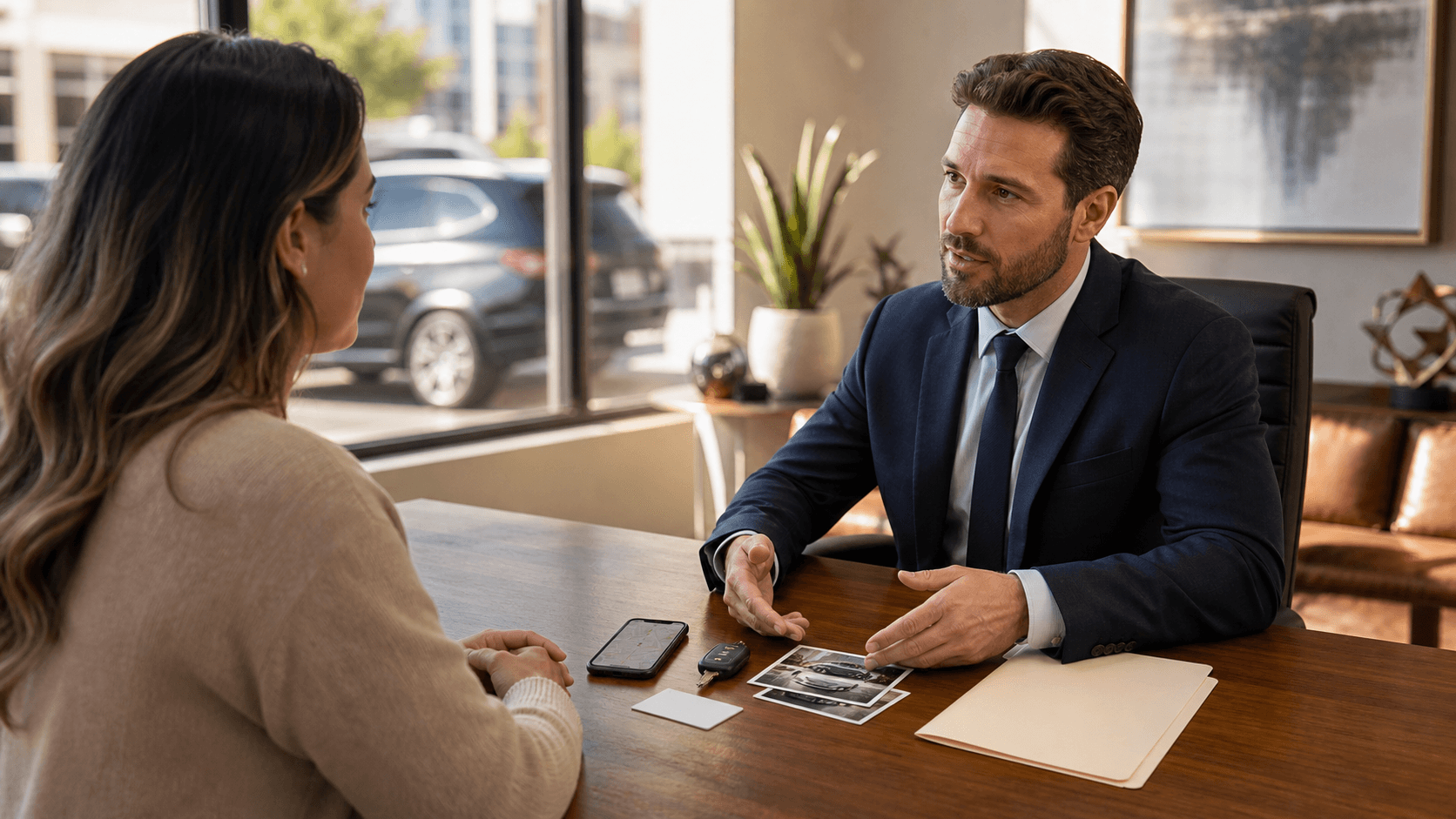
Your first meeting with a car accident lawyer in Frisco, TX, can shape your whole case. What you bring to that meeting helps your lawyer understand what happened, how you were hurt, and how your life has changed. Good information early on can keep small issues from turning into big problems later.
Late summer in our area is packed with activity. There is back-to-school traffic, workers on the road, and people trying to squeeze in last trips before fall routines return. With more cars on streets and highways, crashes can happen in one quick moment. Coming in prepared with documents, photos, and clear questions helps us review your situation and start building a plan that fits you.
At Feizy Law Office, led by attorney Nick Feizy, we focus on personal attention for people hurt in car, truck, motorcycle, and pedestrian crashes across North Texas. If you do not have everything on this list yet, do not worry. We can help track down missing pieces, but this guide will show you what to gather if you can.
Documents to Bring About the Accident and Your Work
The paper trail from your crash tells an important story. Bringing what you already have lets us move faster and spot what is missing.
Helpful accident documents include:
- Any police report or crash report you have
- The card or slip the officer gave you at the scene
- Incident or report numbers from law enforcement
- Names and badge numbers for officers, if you wrote them down
These records help confirm who was involved, where the crash happened, and who the officer thought was at fault. They can also list witnesses and insurance information. If the full Texas Peace Officer's Crash Report is not ready yet, we can explain how to request it and can help follow up once it becomes available.
Next, bring your insurance and vehicle information, such as:
- Your auto insurance card or policy, paper or digital
- Letters or emails you have received from any insurance company
- Claim numbers that have been opened
- License plate numbers and basic info for all vehicles involved, if you have it
Health insurance information can also matter. It may affect how medical bills are handled and how any repayment (also called subrogation) works if your health plan pays bills up front.
To show how the crash has affected your income, bring:
- Recent pay stubs
- W-2s or 1099s
- Any notes from your job about missed days or schedule changes
If your work is physical or needs special skills, bring a simple note describing your normal job duties. If a doctor has limited what you can do at work, those notes help us explain how your injuries affect your ability to earn a living.
Medical Records, Bills, and Future Care Information
In a car accident case, your medical records are a key part of the puzzle. They connect your pain and limits back to the crash.
Try to gather records from every provider you have seen so far, including:
- ER discharge papers
- Urgent care or clinic visit notes
- Primary care doctor visit notes
- Imaging results, like X-rays, MRIs, or CT scans
These records help show when you first reported symptoms and what doctors found. They can also help answer common insurance arguments about old or preexisting conditions by showing what changed after the crash.
Next, bring anything that shows what you have paid or been billed, such as:
- Hospital and doctor bills
- Physical therapy or chiropractic invoices
- Pharmacy receipts for prescriptions and over-the-counter items
- Costs for medical equipment, such as braces or crutches
- Parking, tolls, or rideshare receipts for medical visits
Even small amounts matter over time. They help create a clear picture of your total losses, not just the big hospital bill.
If your doctor has talked about future treatment, it helps to bring:
- Written treatment plans
- Referrals to specialists
- Surgery or procedure recommendations
- Therapy plans for physical or emotional care
This information helps us look beyond what has already happened and think about what you may need months or years down the line. That way, when we talk about compensation, we are thinking ahead, not just looking backward.
Photos, Videos, and Other Digital Evidence
Photos and videos can sometimes explain what happened better than words. Bring them on your phone, on a USB drive, or email them ahead of time if that is easier.
Helpful scene and vehicle photos include:
- All sides of every vehicle involved
- Close-ups of dents, broken glass, and deployed airbags
- Skid marks, debris, and fluid on the road
- Nearby traffic lights, stop signs, or confusing road layouts
- Weather and lighting at the time, if you captured it
These can support how the crash happened and how hard the impact was.
Injury photos are just as important. Try to save and share:
- Photos of bruises, cuts, scrapes, and swelling
- Casts, braces, or bandages
- Stitches or surgical scars
- New photos as your injuries change or heal
A simple timeline of photos can show how long you have been hurting and what you went through, even after the crash scene was cleaned up.
Digital communication and device data can also help, such as:
- Texts, emails, or messages from insurance adjusters
- Any written settlement offers
- Notes from calls with insurers, including dates and names
If there might be dashcam footage, home security clips, or recordings from nearby businesses, tell us right away. Video is often saved for only a short time. A car accident lawyer in Frisco, TX can send requests to help preserve that evidence before it is deleted.
Good Questions to Ask and How to Get Ready
Your first meeting is not only for us to ask you questions. It is also your chance to ask what you want to know.
Smart questions about your specific case might be:
- Based on what I have brought, how does my case look right now?
- What other documents or evidence should we try to get?
- What should I avoid saying or doing with any insurance company?
- How do Texas rules about fault and shared blame affect my claim?
- What are common timelines for cases like this in our area?
You can also ask about how our office works:
- How do your fees work and when are they paid?
- Who will be my main contact person?
- How often will I get updates?
Knowing how communication works and what to expect from investigation, negotiations, and a possible trial can help lower stress.
Before your visit, it helps to prepare both your mind and your paperwork. A simple step is creating a short timeline that lists:
- Date and time of the crash
- How the crash happened in your own words
- When each symptom started
- Every doctor or therapist visit so far
This helps us see patterns, spot gaps the other side might question, and understand how your daily life has changed.
While you wait for your meeting, be careful about:
- Giving recorded statements to the other driver's insurance company
- Signing medical or records releases without legal guidance
- Posting about the crash, your injuries, or your activities on social media
Insurers sometimes review posts to argue that someone is less hurt than they say. Keeping details private can protect your claim.
On the day of your meeting, try to:
- Arrive a few minutes early
- Bring a trusted friend or family member if you want support
- Use simple folders or digital files labeled for accident documents, medical records, and photos
A calm, organized visit helps us focus on what matters most: your health, your story, and a plan for what comes next.
Starting Strong with a Prepared First Meeting
Bringing the right documents, photos, medical bills, and questions to your first meeting with a car accident lawyer in Frisco, TX sets a strong tone for your case. It lets us get straight to the important details, find missing information quickly, and start shaping a strategy that fits your situation.
At Feizy Law Office, we know that most people come to us while they are hurting, tired, and juggling family and work. If you do not have every paper or photo yet, that is okay. We can help you gather what you need, step by step, so your claim is based on clear, honest information from the very start.
Protect Your Rights And Start Your Recovery Today
If you were hurt in a crash, you should not have to deal with the insurance company or legal system alone. Our experienced car accident lawyer in Frisco, TX can review your situation, explain your options, and pursue the compensation you need to move forward. At Feizy Law Office, we focus on handling the legal details so you can focus on healing. To schedule a consultation, simply contact us and we will follow up promptly.