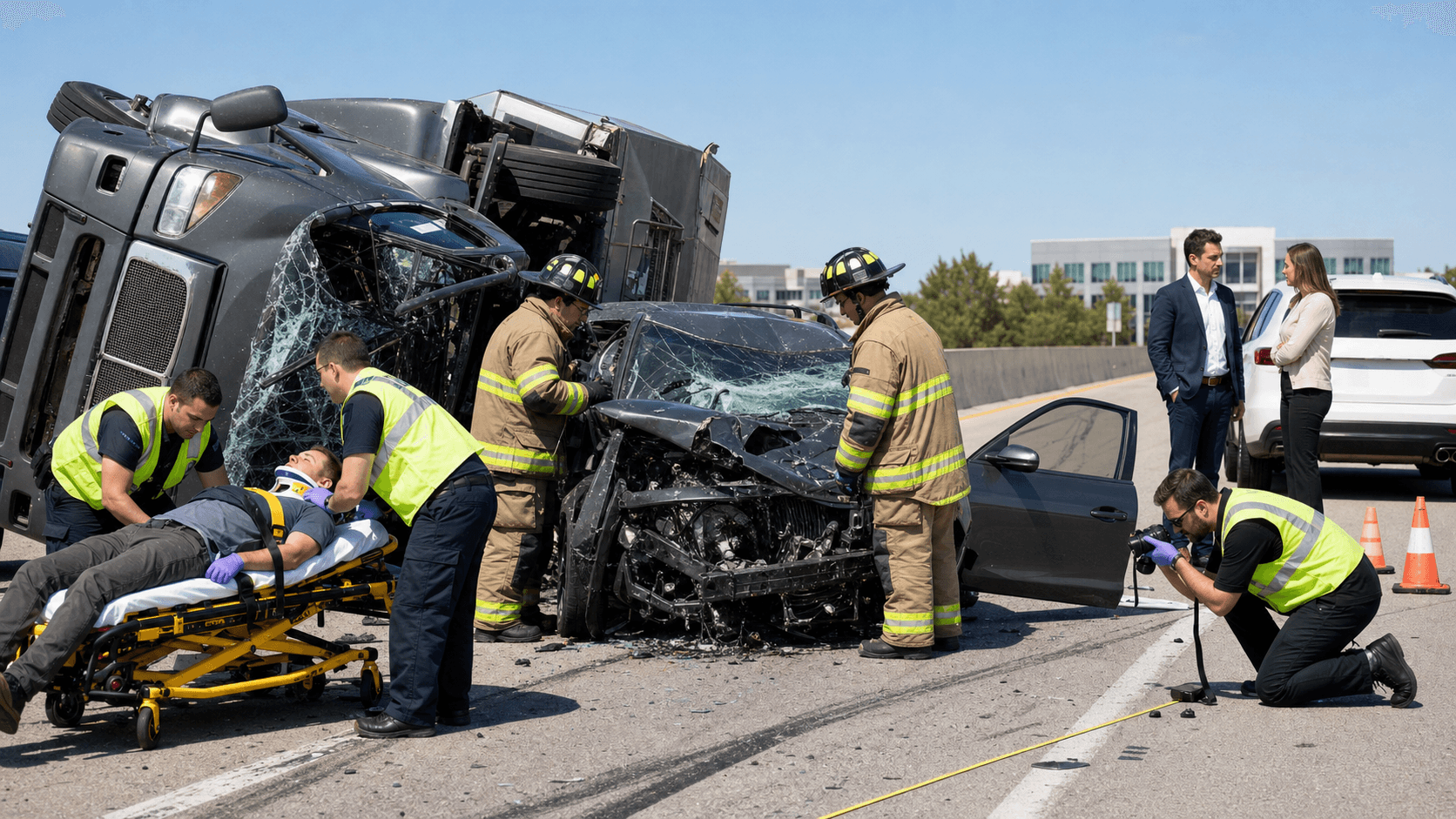

A rear-end crash in Frisco can look small in the moment and still turn into a serious injury case. Many people see a cracked bumper or a small dent and assume they are fine, then days later the real pain starts. Knowing what can happen after a rear-end hit, and what steps to take, can make a big difference in your health and your future.
We want to walk through how these crashes can affect your body, why symptoms are often delayed, what to do right away, and how a rear-end collision injury lawyer can protect your claim. If you live or work in the Frisco or Dallas area and were recently rear-ended, this information is for you.
When a "Minor" Rear End Crash Changes Your Life
You are driving on the Dallas North Tollway or Preston Road in stop-and-go traffic. The car behind you is following too closely and looks distracted. Traffic slows, you brake, and then you feel a hard jolt from behind. You both pull over, see only slight damage, and the other driver says, "Let's just handle it between us."
At first, you feel shaken but not badly hurt. Then that night, your neck starts to tighten. A few days later, you wake up with sharp pain shooting into your shoulder or down your back. Maybe you get headaches, feel dizzy, or notice numbness in your fingers.
Those "hidden" injuries can include:
- Whiplash and soft tissue strain
- Herniated or bulging spinal discs
- Concussions or mild traumatic brain injuries
- Shoulder, knee, or wrist injuries from bracing for impact
When people shrug off a rear-end crash as "no big deal," they often skip early medical care. That can make the injury worse and also give the insurance company a chance to say the crash did not cause the problem. With medical bills rising and time off work adding up, that early choice can become very costly.
We focus our work on people in Frisco and the greater Dallas, Fort Worth area who feel lost after a rear-end crash. If you are unsure what to do next, you are not alone.
Why Rear End Collisions Can Cause Serious Injuries
Even at low speeds, your car can take a hit that your body feels for months or longer. The vehicle stops suddenly, but your head, neck, and spine keep moving. That quick back and forth motion strains muscles and ligaments and can damage the discs between the bones in your spine.
Common injuries from rear-end crashes include:
- Whiplash and neck strain
- Back sprains and disc problems
- Concussions and other head injuries
- Shoulder, hip, or knee trauma from the seat belt or from bracing
Symptoms do not always show up right away. It is common for people to notice:
- Headaches or pressure in the head
- Dizziness or trouble focusing
- Stiffness in the neck, shoulders, or back
- Pain that travels into arms, hands, legs, or feet
- Tingling or numbness in fingers or toes
Those delayed signs can point to nerve issues, disc injuries, or brain injury. Treating those early can make a big difference.
Around August in Frisco, rear-end crashes often rise because of:
- Heavier summer traffic on tollways
- Construction zones that cause sudden stops
- Teen drivers on the road before school starts
- People distracted by phones, GPS, or kids in the car
- Holiday and weekend trips that leave drivers tired or rushed
All of this can lead to more sudden stops and more drivers following too closely, which is a common setup for rear-end collisions.
First Steps After a Rear End Crash in Frisco
What you do in the first minutes and days after a crash can affect both your health and your claim. Right after the crash, try to:
- Move your car to a safe spot if it is drivable
- Turn on hazard lights and check for injuries
- Call 911 so police and, if needed, medical help can come
- Get a police report, even if the other driver wants to skip it
A police report creates an official record that can be very helpful later. Even if you feel "okay," it is smart to get checked by a doctor the same day. Urgent care or an ER can rule out emergencies, and follow-up with your regular doctor or a specialist can document your injuries.
Evidence you collect at the scene can also help, such as:
- Photos of all vehicles and the crash area
- Pictures of skid marks, traffic lights, and signs
- Any dashcam video you have
- Names and contact details for witnesses
- Insurance and license information for the other driver
Very soon after the crash, insurance adjusters may start calling and asking for recorded statements. Talking with a rear-end collision injury lawyer before giving a statement can help protect your rights and keep your words from being used against you later.
How a Rear End Collision Injury Lawyer Protects Your Claim
A rear-end collision injury lawyer steps in so you can focus on healing while someone else deals with the legal side. That can include:
- Investigating how the crash happened
- Getting and reviewing the police report
- Collecting medical records and imaging results
- Preserving photos, videos, and witness statements
- Communicating with insurance companies on your behalf
An attorney looks at the full picture of how the crash has affected your life, not just the first medical bill. That often means considering:
- Current and future medical treatment
- Time you miss from work
- How injuries may affect your ability to earn in the future
- Pain, discomfort, and emotional stress
- Limits on hobbies, family life, and daily tasks
Insurance companies in rear-end cases often try to say the impact was "too small" to cause harm or that your problems come from "prior conditions." A lawyer can work with your doctors and sometimes outside experts to explain how the crash made a condition worse or triggered new issues that were not there before.
Our team has handled many rear-end collision cases across the Dallas, Fort Worth region. We focus on clear communication with our clients and do our best to speak in the language they are most comfortable with when we can.
Special Issues in Frisco Rear End Cases
Frisco has some busy roads where rear-end crashes are common. The Dallas North Tollway, Sam Rayburn Tollway, Highway 380, and Preston Road all have a mix of high speeds, heavy traffic, and frequent construction. Sudden lane changes, lane closures, and stop-and-go traffic make it more likely that a driver following too closely will not stop in time.
Texas follows comparative negligence rules. That means the insurance company may try to argue that you:
- Stopped too suddenly
- Were not watching the road
- Changed lanes in an unsafe way
Even in a clear rear-end crash, they may try to put part of the blame on you to reduce what they pay. Legal representation can push back on those claims using traffic laws, crash reconstruction when needed, and witness accounts.
There are also special situations, such as:
- Chain reaction crashes with several cars
- Rear-end collisions involving commercial trucks
- Crashes with rideshare vehicles
- Wrecks with uninsured or underinsured drivers
School zones and areas near shopping and entertainment districts in Frisco bring in lots of pedestrian and teen driver traffic, especially around late summer and back-to-school time. Those areas have their own rules and safety concerns that can affect how a claim is handled.
Take Control After a Rear End Collision in Frisco
If you feel pain, stiffness, or other new symptoms after a rear-end crash, do not ignore them and do not rush to accept a quick, low settlement. Once you sign off on a claim, you usually cannot go back for more money if your injuries turn out to be worse than you thought.
Talking with a rear-end collision injury lawyer can help you understand your rights and the time limits that apply to your case. At Feizy Law Office, we offer initial consultations at no cost and review the details of your crash so you can make informed choices about your next steps.
Protect Your Rights After a Rear-End Crash
If you were hurt in a rear-end collision, you do not have to figure out the legal and insurance maze on your own. At Feizy Law Office, our experienced rear-end collision injury lawyer can review your case, explain your options, and pursue the compensation you need to move forward. We will handle the details and negotiations so you can focus on healing. To take the next step, simply contact us for a free, no-obligation consultation.